
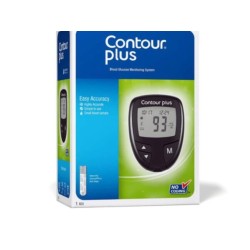
Contour Plus Meter Glucometer — available at DiabetesStore.com.bd
When the cool, dry air of sheet kal finally arrives in Bangladesh, it brings welcome relief after months of heat and humidity. But winter also brings a quiet challenge for people living with diabetes: it becomes much easier to forget to drink enough water. You simply do not feel as thirsty — so you drink less. Over days and weeks, this small habit can quietly affect your blood sugar and overall well-being.
This guide explains why winter hydration matters so much when you have diabetes, what to drink, what to avoid, and how to build easy daily habits that keep you feeling your best through the cool months.
Why Hydration Still Matters in Winter for People with Diabetes
Most people link dehydration with summer heat. That makes sense — you sweat a lot and feel obviously thirsty. But in winter, dehydration can creep up on you without warning. Your thirst signal becomes quieter in cold weather, so your body does not always tell you clearly that it needs water.
The Hidden Dehydration Risk in Cold Weather
In cooler temperatures, your body loses moisture in ways you might not notice. Every time you breathe out in cold, dry air, you release water vapour. Indoor heating — whether from a room heater, a blanket-covered body, or a stuffy room — also dries the air around you. Add to that the fact that many people in Bangladesh drink fewer fluids in winter simply out of habit, and mild dehydration can become quite common.
For people with diabetes, this matters more than it does for others. The kidneys work harder when blood sugar is not perfectly steady, and they need enough fluid to do that job well. Staying hydrated supports your kidneys in filtering waste efficiently and helps your body manage glucose more smoothly.
How Dehydration Can Affect Blood Sugar Levels
When you do not drink enough water, the blood becomes more concentrated. This means there is less fluid carrying glucose around your body. As a result, glucose levels in the blood can appear higher than usual. This is not a dramatic spike, but over many days it can make blood sugar readings harder to understand and manage.
Good hydration helps dilute blood glucose to more normal levels and supports the kidneys in clearing excess sugar through urine when needed. This is one reason doctors and diabetes educators consistently remind patients that water is a core part of diabetes self-care — not just a nice extra.
Signs Your Body Needs More Water — Even in Winter
Because the thirst signal is quieter in winter, it helps to watch for other clues that your body gives you. Look out for:
- Dark yellow urine — pale straw-yellow is the goal; dark urine is a clear sign to drink more
- Dry lips and skin — common in winter anyway, but worsened by dehydration
- Headaches or tiredness — mild dehydration can bring both
- Feeling dizzy when standing up — this can sometimes be linked to low fluid levels
- Dry mouth — different from normal winter dryness, this feels persistent
- Infrequent urination — if you are going to the toilet much less than usual, your fluid intake may be too low
If you notice several of these signs together, simply increasing your water intake throughout the day is often the first and most effective step.
How Much Water Should You Drink in Winter?
There is no one-size-fits-all answer, as every person's needs vary based on body size, activity level, and health conditions. A general, widely shared guideline for adults is around 6 to 8 glasses (roughly 1.5 to 2 litres) of fluid per day. For people with diabetes or kidney concerns, your doctor or dietitian may give you a more specific target — always follow their advice first.
Adjusting for Bangladesh's Mild Winter Climate
Bangladesh's winter is mild compared to many countries. Temperatures in Dhaka and other major cities rarely drop below 10–12°C, and daytime hours can still feel warm in the sun. This means you may sweat a little during outdoor activity or midday warmth, even in December or January. So do not assume you need much less water just because it feels cool in the morning.
A practical approach: aim for your usual fluid target and adjust slightly downward only on genuinely cold, inactive days — but never skip hydration altogether.
Best Hydrating Drinks for People with Diabetes in Winter
Choosing the right drinks is just as important as drinking enough of them. Here are some good options and a few to watch.
Warm Drinks That Work Well
Warm drinks are comforting in winter and can actually encourage you to drink more often. Some good choices include:
- Plain warm water — the simplest and most effective choice
- Warm lemon water — refreshing and hydrating, with no added sugar
- Herbal teas (unsweetened) — ginger tea, tulsi tea, or light green tea without sugar can be warming and hydrating
- Clear soups and broths — light vegetable or dal-based soups count toward your daily fluid intake and provide warmth and nutrition
- Diluted lemon-ginger water — a popular Bangladeshi home remedy that can also help digestion
If you do add a little sweetener to your hot drinks, consider a small amount of natural low-calorie options and always check with your dietitian about what works for your meal plan.
Drinks to Limit or Avoid
- Sweetened tea and coffee — very common in Bangladesh, but adding two or three teaspoons of sugar per cup adds up quickly and can affect blood sugar
- Sugary packaged juices and soft drinks — high in simple sugars, not a good hydration choice for people with diabetes
- Excessive milk-based sweet drinks — small amounts of plain milk are fine, but avoid condensed milk or heavily sweetened versions
- Alcohol — dehydrating and not recommended for people with diabetes without specific medical guidance
Plain water — warm or room temperature — remains the gold standard for hydration at any time of year.
Simple Daily Habits to Stay Hydrated This Winter
Knowing you should drink more water is one thing. Actually doing it when you are not thirsty takes a little planning. Here are some easy, practical habits:
- Start the day with a glass of warm water — before tea, before breakfast. Make it a non-negotiable morning routine.
- Keep a water bottle or flask visible — out of sight, out of mind. A flask of warm water on your desk or beside your chair is a constant reminder.
- Link drinking to meals and prayers — a glass of water before or after each meal and at prayer times gives you natural, regular reminders throughout the day.
- Eat water-rich foods — winter vegetables like spinach, tomatoes, bottle gourd (lau), and ridge gourd (jhinge) have a high water content and contribute to hydration.
- Set a gentle phone reminder — a simple alarm once every two hours can prompt you to take a few sips.
- Check urine colour once a day — a quick look in the morning tells you whether you are on track.
None of these steps require special equipment or expense. They are small habits that, done consistently, make a real difference over the winter months.
Monitoring Your Blood Sugar Alongside Hydration
Staying hydrated is one piece of the diabetes self-care puzzle, but it works best alongside regular blood glucose monitoring. When you track your readings at home, you can spot patterns — for example, noticing that readings tend to be a little higher on days when you drank less water. This kind of everyday insight helps you and your healthcare team make better decisions together.
A reliable glucometer makes home monitoring straightforward. Pair it with fresh glucose test strips to ensure accurate readings every time. At diabetesstore.com.bd, you can find a range of home monitoring tools suited to everyday use in Bangladesh.
If you notice your readings are consistently higher than your usual range — even when you have been eating and moving as normal — mention it to your doctor. Hydration, illness, seasonal changes, and other factors can all play a role, and your doctor is the right person to help you figure out why.
When to Talk to Your Doctor
Most of the time, winter dehydration in people with diabetes is a lifestyle issue that responds well to the simple habits above. But there are times when it is important to reach out to your doctor or care team:
- You feel persistently dizzy, weak, or confused
- You are urinating much more or much less than usual for several days
- Your blood sugar readings are consistently outside your normal range without an obvious reason
- You have signs of a urinary tract infection (burning, frequent urination, lower abdominal pain)
- You have been advised to limit fluids due to a kidney condition — in this case, do not increase your intake without medical guidance
People with kidney concerns in particular should always follow their doctor's specific fluid recommendations rather than general guidelines.
Frequently Asked Questions
Q: Is it true that people with diabetes need to drink more water than others?
A: Not necessarily more, but consistent hydration matters a great deal. When blood sugar is elevated, the kidneys work harder and the body may lose more fluid through urine. Keeping up with regular fluid intake — as guided by your doctor — helps support kidney function and overall blood sugar management.
Q: Can drinking more water lower my blood sugar?
A: Water itself does not lower blood sugar in a medicinal sense. However, staying well-hydrated helps the blood remain less concentrated, which supports more stable glucose readings. It is one helpful part of daily diabetes self-care, not a treatment.
Q: What if I do not like plain water? Are flavoured drinks okay?
A: Unsweetened herbal teas, warm lemon water, and light clear soups are all good alternatives to plain water. Avoid drinks with added sugar, artificial sweeteners in large amounts, or high caffeine content without checking with your dietitian first.
Q: Does cold water affect blood sugar differently than warm water?
A: There is no strong evidence that water temperature significantly changes blood sugar. In winter, many people find warm water more comfortable and are more likely to drink it regularly — which is the most important thing.
Q: I have been told to limit fluids because of a kidney issue. What should I do?
A: Always follow your doctor's specific advice on fluid intake. If you have a kidney condition, your recommended fluid target may be different from general guidelines. Do not increase or decrease your fluid intake significantly without discussing it with your healthcare provider first.
Disclaimer: This article is for general information purposes only and is not a substitute for professional medical advice, diagnosis, or treatment. Always consult your doctor, diabetes educator, or pharmacist before making changes to your diabetes care routine.
]]>